Roan
Quick Facts
Overview
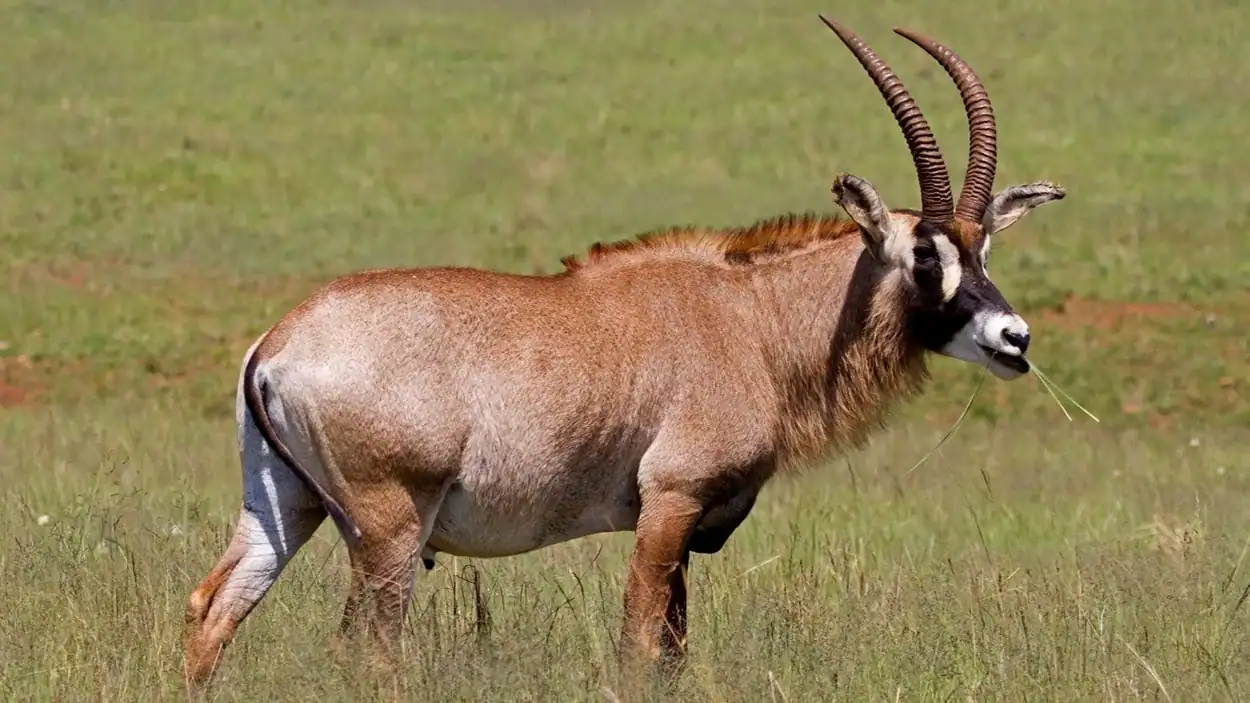
Hunting a roan is a standout experience for many hunters because this antelope combines size, beauty, and challenge in a way few species do. With their distinctive facial masks, long sweeping horns, and powerful build, a mature roan carries a commanding presence in the field. Hunters often target them because they represent one of Africa’s premier plains-game trophies — large, alert, intelligent, and capable of covering ground quickly the moment they sense danger.
Roan typically move in small herds, often led by a dominant bull, which means hunters need to take time glassing and studying the group to identify the right animal. Their reddish-tan coats blend well with tall grass, and their tendency to keep to mid-to-long distances makes stalking a test of patience and strategy. Roan are known for standing their ground when unsure about a threat, giving a hunter brief windows to settle a shot — but once they decide to move, they disappear with surprising speed.
The hunt becomes especially memorable due to the combination of terrain, herd behaviour, and the sheer presence of the animal. Tracking a roan through open savanna, listening for their careful movements in tall grass, and finally stepping into position for a clean shot often creates a story that feels more like a big-game safari than a typical plains hunt. It’s a species that rewards steady nerves and deliberate decision-making — making it a favourite for hunters seeking an impressive trophy with real character behind the experience.
Located in South Africa
Roan populations in South Africa have grown significantly due to dedicated breeding programs and conservation-focused management on private reserves. Today they are commonly found in Limpopo, North West, the Free State, and select areas of the Northern Cape. These regions offer the mixture of savanna, lightly wooded grasslands, and open plains that roan prefer.
They thrive in habitats with medium to tall grass cover, scattered trees, and reliable water sources. Roan tend to avoid very dense bush or completely open terrain, sticking instead to transitional zones where they can feed while still maintaining visibility and escape routes. Because most herds are carefully managed, trophy quality is generally excellent, and hunters can expect to encounter mature bulls with strong horn length and well-defined facial markings. The controlled environments also help maintain healthy herd structures, giving hunters consistent opportunities across well-run South African hunting properties.
Best Months to Hunt
Roan can be hunted throughout the year, but conditions are best from May to September, when cooler weather reduces insect activity, grass thins out, and visibility improves across savanna terrain. During this period, herds spend more time feeding in open areas, making it easier to glass them from a distance and plan an approach without disturbing the group.
Dry-season grass height also plays a big role. With less cover for roan to disappear into, hunters can identify mature bulls more easily and set up cleaner long-range shot opportunities. Early mornings and late afternoons are particularly productive, as bulls tend to be more active and herds often move between feeding and shade-cover zones. While roan are available year-round, winter offers the most comfortable and efficient hunting conditions for both hunters and trackers.
Explore Hunting Farms
Browse farms in South Africa where buffalo are available. Check the listings for locations, accommodations, and hunting methods, and contact the outfitter for current availability.