Leopard
Quick Facts
Overview
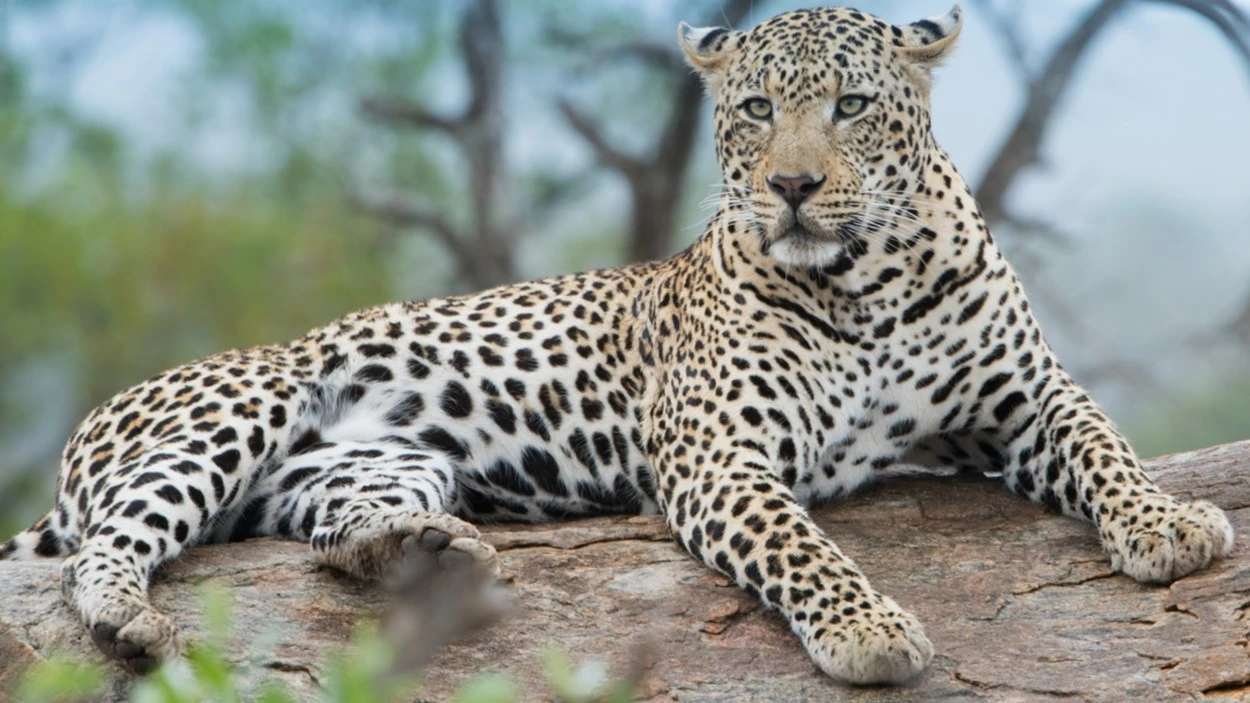
Few hunts in Africa compare to the intensity and patience required for a leopard. As one of the continent’s most elusive predators, the leopard tests every element of a hunter’s skill — from careful observation and bait placement to reading subtle signs in the bush. These cats are cunning, solitary, and highly nocturnal, often appearing only under cover of darkness or in the fleeting minutes of dawn and dusk.
Most leopard hunts are conducted by baiting and blind, where hunters must remain motionless for hours waiting for the cat to return. The final moment — when the leopard silently materializes on the bait — brings an unparalleled rush of adrenaline. Quick reflexes and perfect shot placement are critical; a wounded leopard is one of the most dangerous animals to follow up.
For many, a leopard hunt is not simply about the trophy but about the experience — the mystery of the African night, the precision required, and the deep respect earned for an apex predator that embodies stealth, grace, and raw power. It’s a pursuit of patience, skill, and heart.
Located in South Africa
Leopards are found throughout much of South Africa, but their highest concentrations exist in Limpopo, Mpumalanga, and KwaZulu-Natal, where rugged terrain, dense bush, and plentiful prey offer ideal habitat. Mountainous regions, river valleys, and thick bushveld provide the seclusion leopards prefer, while private reserves and well-managed hunting concessions maintain stable populations under strict permit systems.
In Limpopo, the combination of rocky outcrops and mixed savanna supports exceptional leopard densities, making it a top hunting region. Mpumalanga’s Kruger-bordering areas and KwaZulu-Natal’s Zululand region also provide excellent opportunities, where hunts are carefully managed to balance conservation with selective offtake.
Every leopard hunt in South Africa contributes to broader conservation programs — ensuring that sustainable, regulated hunting continues to support the protection of both habitat and prey species across the country.
Best Months to Hunt
Crocodile hunting in South Africa is largely seasonal, with the prime months occurring during the dry winter season, typically from May to August. During this period, lower water levels concentrate animals in predictable areas, improving visibility and tracking. Cooler daytime temperatures also make long field sessions more manageable. Early mornings and late afternoons are particularly effective, when crocodiles are most active near the water’s edge, offering hunters the best opportunities to observe, track, and make a safe, ethical shot.
Explore Hunting Farms
Browse farms in South Africa where buffalo are available. Check the listings for locations, accommodations, and hunting methods, and contact the outfitter for current availability.